
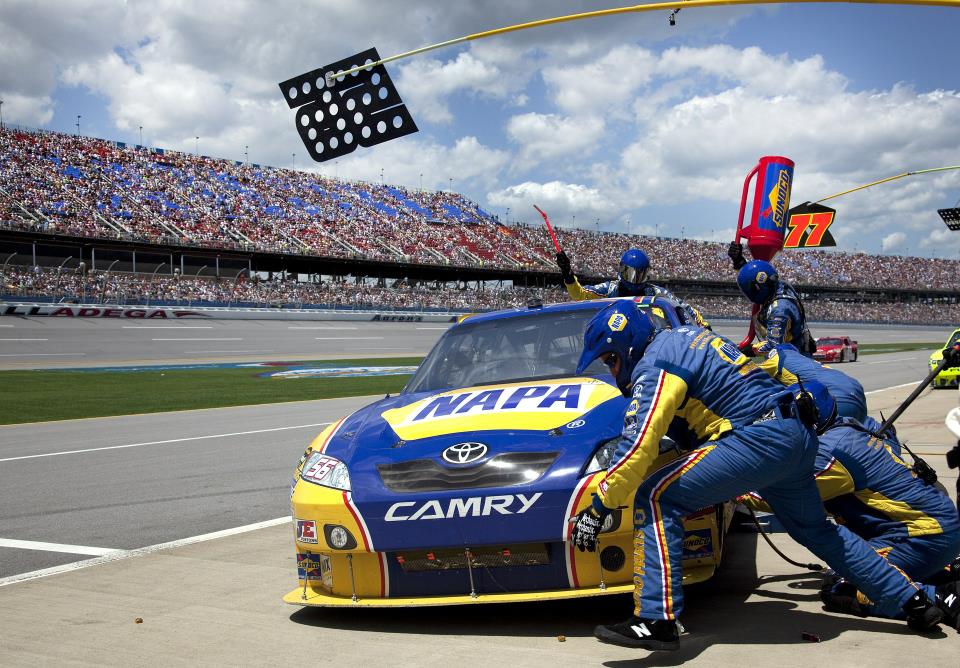
Are you looking for a comprehensive guide on automobile repair? Well, you have come to the right place! In this article, we will cover everything you need to know about automobile repair, from basics of brake and tyre maintenance to tips on Toyota servicing and maintenance. So, let’s get started!
SECTION 1: Introduction to Automobile Repair
Automobile repair is the process of diagnosing, maintaining, and repairing automotive vehicles. It is a complex process that requires knowledge and skills to be executed correctly. Automobile repair includes a variety of activities, such as changing oil, rotating tires, and inspecting brakes. It also includes repairs to engines, transmissions, suspension, and other automotive components.
Automobile repair is a necessary part of owning a car. It is essential to maintain your vehicle in order to keep it running safely and effectively. Regular maintenance can prevent costly repairs and extend the life of your vehicle. It is important to stay informed and understand the basics of automobile repair in order to ensure your vehicle is running at its best.
SECTION 2: Basics of Brake Maintenance
Brakes are one of the most important components of your vehicle. They are used to slow down and stop the vehicle safely. It is important to have your brakes inspected regularly in order to make sure they are in good condition. Proper brake maintenance will help ensure that your vehicle is safe and secure while driving.
The first step in brake maintenance is to check the brake fluid. Most vehicles require a specific type of brake fluid, so it is important to check the owner’s manual for the type of fluid required. It is also a good idea to check the brake fluid levels regularly to make sure they are full.

SECTION 3: Types of Brake Fluid
There are three main types of brake fluid: DOT 3, DOT 4, and DOT 5. DOT 3 brake fluid is the most common type of fluid used in modern vehicles. It is designed to be used in vehicles with anti-lock brakes (ABS). DOT 4 brake fluid is similar to DOT 3 but is designed for vehicles with higher brake temperatures. DOT 5 brake fluid is a synthetic fluid designed for vehicles with higher operating temperatures.
Each type of brake fluid has its own set of properties and characteristics. It is important to check the owner’s manual to determine which type of fluid your vehicle requires. Once you know the type of fluid required, you can purchase the appropriate type and follow the instructions on the bottle.
SECTION 4: Signs that Your Brakes Need Repair
It is important to be aware of the signs that your brakes need repair. The most common signs are squealing or grinding noises when the brakes are applied, longer stopping distances, and an illuminated brake warning light. If you notice any of these signs, it is important to get your brakes checked as soon as possible.
It is also important to have your brakes inspected at least once a year. This will help ensure that your brakes are in good working order and that any potential issues are caught early. Regular brake inspections can help prevent costly repairs in the future.
SECTION 5: Tips for Maintaining Your Brakes
Maintaining your brakes is an important part of keeping your vehicle running safely and efficiently. Here are some tips for maintaining your brakes:
Regularly check the brake fluid levels and top up when necessary.
Inspect the brake pads and discs for any signs of wear or damage.
Have your brakes inspected at least once a year.
Avoid riding the brakes while driving.
Avoid sudden stops and starts.
Use the correct type of brake fluid for your vehicle.
Following these tips can help ensure that your brakes are in good condition and prevent any costly repairs in the future.
SECTION 6: Basics of Tyre Maintenance
Tyres are an essential part of your vehicle and it is important to keep them in good condition. Regular tyre maintenance will help ensure that your vehicle is running safely and efficiently. The first step in maintaining your tyres is to check the tyre pressure regularly. You should also check the tread depth and inspect the tyres for any signs of wear or damage.
It is also important to rotate your tyres regularly. This will help prevent uneven wear and extend the life of your tyres. You should also check the wheel alignment and balance periodically to ensure that your vehicle is running smoothly.
SECTION 7: Types of Tyres
There are different types of tyres available, and it is important to choose the right type for your vehicle. The most common types are all-season tyres, summer tyres, and winter tyres. All-season tyres are designed to provide good traction in all weather conditions. Summer tyres are designed to provide the best performance in warm weather conditions. Winter tyres are designed to provide the best traction in cold weather conditions.
It is important to choose the right type of tyres for your vehicle. You should consult your owner’s manual or a professional mechanic to determine which type of tyres is best for your vehicle.
SECTION 8: Signs that Your Tyres Need Repair
It is important to be aware of the signs that your tyres need repair. The most common signs are low tyre pressure, an illuminated tyre pressure warning light, uneven tyre wear, and bulging or cracking of the tyre. If you notice any of these signs, it is important to get your tyres checked as soon as possible.
It is also important to have your tyres inspected at least once a year. This will help ensure that your tyres are in good working order and that any potential issues are caught early. Regular tyre inspections can help prevent costly repairs in the future.
SECTION 9: Tips for Maintaining Your Tyres
Maintaining your tyres is an important part of keeping your vehicle running safely and efficiently. Here are some tips for maintaining your tyres:
Check the tyre pressure regularly and top up when necessary.
Inspect the tyres for any signs of wear or damage.
Have your tyres inspected at least once a year.
Rotate your tyres regularly.
Avoid driving over potholes and other rough surfaces.
Choose the right type of tyres for your vehicle.
Following these tips can help ensure that your tyres are in good condition and prevent any costly repairs in the future.
SECTION 10: Toyota Servicing and Maintenance
Toyota is one of the most popular car manufacturers in the world. It is important to take proper care of your Toyota vehicle in order to keep it running safely and efficiently. Regular maintenance and servicing is essential for any Toyota vehicle. It is important to have your Toyota serviced at least once a year to ensure that it is running at its best.
Toyota servicing includes a variety of activities, such as inspecting the brakes, changing the oil, and rotating the tyres. It also includes repairs to engines, transmissions, suspension, and other automotive components. It is important to follow the manufacturer’s guidelines for servicing and maintenance in order to keep your Toyota vehicle running safely and efficiently.
SECTION 11: Conclusion
In conclusion, automobile repair is a necessary part of owning a car. It is important to stay informed and understand the basics of automobile repair in order to ensure your vehicle is running at its best. Brakes and tyres are two of the most important components of your vehicle and it is important to maintain them regularly. Regular maintenance and servicing is essential for any Toyota vehicle. We hope this guide has helped you understand the basics of automobile repair.


